
Permanent Pace Maker & ICD implantation
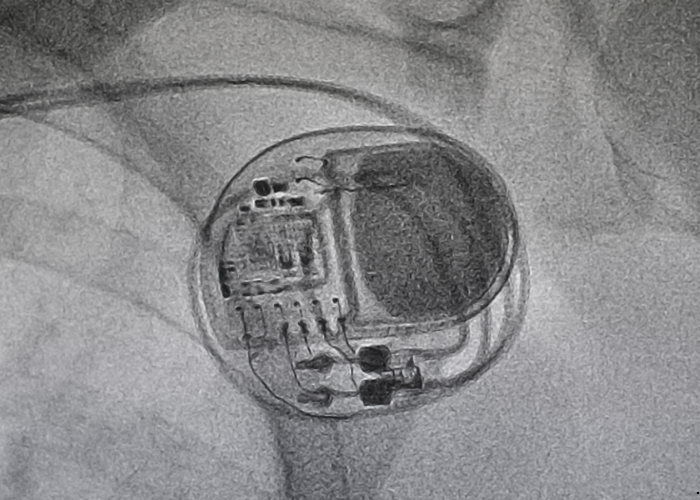
Permanent Pacemaker & ICD Implantation
This procedure involves placing a small device under the skin to help control abnormal heart rhythms.
A pacemaker regulates slow heartbeats, while an ICD (Implantable Cardioverter Defibrillator) prevents sudden cardiac arrest.
Both devices send electrical pulses to restore normal rhythm and support heart function.
Why Permanent Pacemaker & ICD Implantation is Done
A permanent pacemaker is implanted in patients whose hearts beat too slowly or irregularly, causing fatigue, dizziness, or fainting. It sends electrical signals to maintain a steady heart rate, especially in cases of bradycardia or heart block. An ICD is recommended for patients at high risk of life-threatening arrhythmias or sudden cardiac arrest. It continuously monitors heart rhythm and delivers a shock if a dangerous rhythm is detected. These devices are implanted just below the collarbone under local anesthesia. Leads (wires) are threaded through veins into the heart to deliver electrical impulses. The procedure usually takes 1–2 hours, and most patients return home the next day.
Both devices are life-saving and improve long-term survival in heart rhythm disorders. Regular follow-ups are necessary to monitor battery life and device function. Patients can lead normal lives with precautions, such as avoiding strong magnetic fields.
- Prevents sudden cardiac death
- Controls irregular heartbeats
- Improves quality of life
- Small and battery-powered
- Implanted under the skin
- Requires regular check-ups

Head of Department, Cardiology Services, Suburban Diagnostics India Private Limited.
Make Appointment
- 3 PM - 5 PM , Monday - Friday
Copyright @2025. All Right Reserved | Designed By Rebecca Digital