
Renal Denervation (RDN)
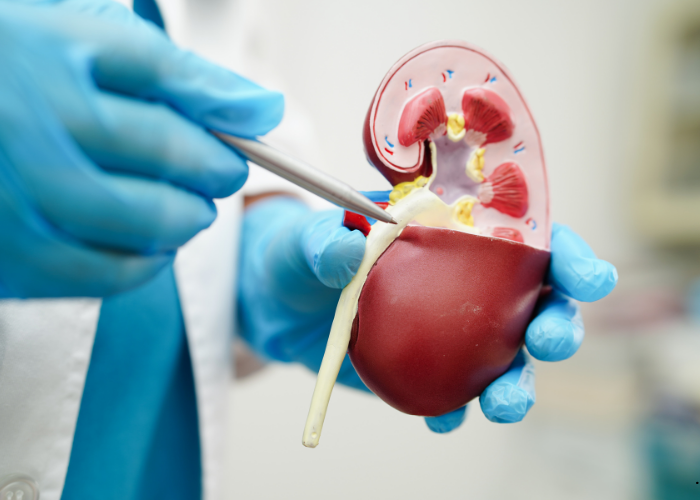
Renal Denervation
Renal denervation is a minimally invasive procedure used to treat resistant high blood pressure.
It targets the nerves around the renal arteries using radiofrequency energy.
This reduces nerve activity that contributes to elevated blood pressure levels.
Why Renal Denervation is Done
Renal denervation is performed in patients with resistant hypertension—high blood pressure that remains uncontrolled despite taking multiple medications.
The sympathetic nerves surrounding the renal arteries play a major role in regulating blood pressure.
In this procedure, a catheter is inserted through the femoral artery and positioned in the renal arteries.
Radiofrequency or ultrasound energy is then delivered to disrupt overactive nerves, reducing their signaling.
By reducing this nerve activity, the blood vessels relax, and blood pressure is lowered.
It is considered for patients who cannot tolerate medications or do not respond to standard therapies.
The procedure is safe, relatively quick, and usually completed within an hour.
No stents or permanent implants are required.
Recovery time is short, with most patients resuming normal activities within a day or two.
It can lead to long-term reductions in blood pressure with minimal side effects.
- Treats resistant hypertension
- Targets kidney nerve signals
- Non-surgical and catheter-based
- Short procedure and recovery
- Lowers blood pressure long-term
- No permanent implants needed

Head of Department, Cardiology Services, Suburban Diagnostics India Private Limited.
Make Appointment
- 3 PM - 5 PM , Monday - Friday
Copyright @2025. All Right Reserved | Designed By Rebecca Digital