
Renal Angioplasty & Stenting
Renal Angioplasty & Stenting
Renal angioplasty is a procedure to open narrowed arteries supplying the kidneys.
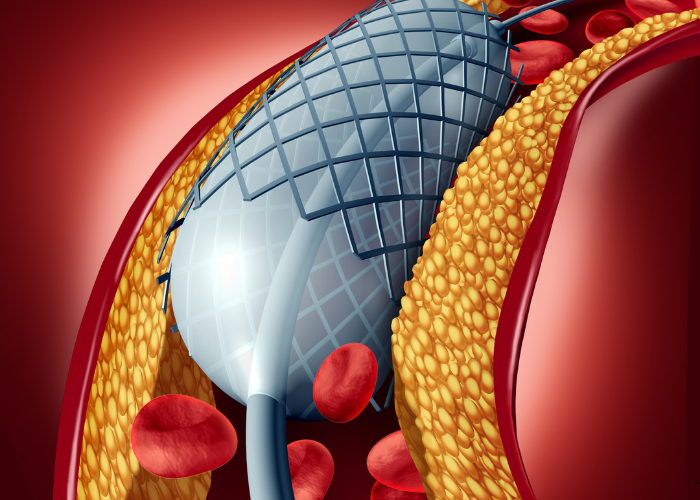
A balloon is used to widen the artery, and a stent may be placed to keep it open.
It improves kidney function and helps control high blood pressure.
Why Renal Angioplasty & Stenting is Done
Renal angioplasty and stenting are recommended when the arteries that supply blood to the kidneys become narrowed (renal artery stenosis), often due to atherosclerosis.
This condition can reduce kidney function and cause resistant hypertension (high blood pressure that doesn’t improve with medication).
During the procedure, a catheter is inserted through the groin and guided to the narrowed renal artery.
A balloon is then inflated to widen the artery and improve blood flow.
In many cases, a stent (a tiny metal mesh tube) is placed to keep the artery open permanently.
This intervention helps restore normal kidney perfusion and supports better blood pressure control.
It is especially useful in patients with worsening kidney function or uncontrolled blood pressure.
The procedure is minimally invasive and typically requires only a short hospital stay.
After the procedure, patients are prescribed blood thinners and monitored for kidney performance.
Timely treatment can prevent kidney failure and the need for dialysis.
- Restores kidney blood flow
- Controls resistant hypertension
- Minimally invasive technique
- Improves kidney function
- Short recovery time
- Often avoids dialysis

Head of Department, Cardiology Services, Suburban Diagnostics India Private Limited.
Make Appointment
- 3 PM - 5 PM , Monday - Friday
Copyright @2025. All Right Reserved | Designed By Rebecca Digital